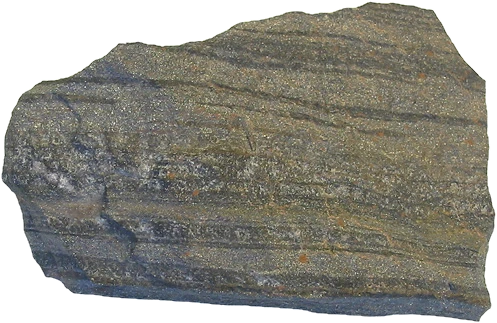
Rhodochrosite
A rose-red manganese carbonate mineral and national gemstone of Argentina.

Rhodochrosite is a manganese carbonate mineral with chemical composition MnCO3. In its pure form it is typically rose-red, but can also be shades of pink to pale brown. It streaks white, has a Mohs hardness between 3.5 and 4.5, and a specific gravity between 3.45 and 3.6. Its crystal system is trigonal, with a structure and cleavage in the carbonate rhombohedral system. Rhodochrosite is formed by the oxidation of manganese ore and is found in South Africa, China, and the Americas. It is one of the national symbols of Argentina and the state of Colorado.
- chemical_formula
- MnCO3
- crystal_system
- Trigonal
- mohs_hardness
- 3.5–4.5
- specific_gravity
- 3.45–3.6
- streak
- White
- color
- Rose-red, pink to pale brown
- major_uses
- Ore of manganese, decorative stones, jewelry
Lore & Background
Rhodochrosite occurs as a hydrothermal vein mineral along with other manganese minerals in low temperature ore deposits, such as in the silver mines of Romania where it was first found. Banded rhodochrosite is mined in Capillitas, Argentina. The name is derived from the combination of Greek words ροδόν (rodon, meaning rose) and χρωσις (chrosis, meaning coloring). Rhodochrosite forms a complete solid solution series with iron carbonate (siderite). Calcium, as well as magnesium and zinc to a limited extent, frequently substitutes for manganese in the structure, leading to lighter shades of red and pink. This substitution is the reason for the rose color of rhodochrosite. Crystal twinning is often present. It can be confused with the manganese silicate rhodonite, but is distinctly softer.
Reader's Guide
Rhodochrosite is significant primarily as an ore of manganese, a key component of low-cost stainless steel formulations, many tool steels, and certain aluminium alloys. Quality banded specimens are often used for decorative stones and jewelry, though due to its softness and perfect cleavage it is rarely found faceted in jewelry and is sought after by collectors. Historically, manganese carbonate was extremely destructive to the amalgamation process used in the concentration of silver ores, and such material was often discarded on mine dumps. It is sometimes called 'Rosa del Inca', 'Inca Rose', or Rosinca. Its distinctive rose-red color and trigonal crystal structure, with carbonate ions in a triangular planar configuration and manganese ions surrounded by six oxygen ions in an octahedral arrangement, make it a notable mineral in both economic and aesthetic contexts.
Did You Know?
- It forms a complete solid solution series with iron carbonate (siderite).
- It is sometimes called 'Rosa del Inca', 'Inca Rose', or Rosinca.
Crystal Architecture and the Chemistry of Colour
Rhodochrosite is a manganese carbonate mineral whose ideal chemical formula is MnCO3. In its rarest, purest state it displays a vivid rose-red hue, though specimens more commonly range from soft pink to muted pale brown. The mineral leaves a white streak on a porcelain plate, resists scratching up to a Mohs hardness of roughly 3.5 to 4.5, and carries a specific gravity between 3.45 and 3.6. Structurally, rhodochrosite crystallises in the trigonal system within the carbonate rhombohedral lattice. Carbonate ions sit in flat triangular planes while each manganese ion is encased by six oxygen ions in an octahedral cage. These MnO6 octahedra interlock with the CO3 triangles to build a continuous three-dimensional framework, and crystal twinning is a frequent feature. Because rhodochrosite forms a complete solid-solution series with iron carbonate (siderite), and because calcium, magnesium, and zinc can partially replace manganese in the lattice, the degree of ionic substitution directly governs the intensity of the rose colour. Its softness distinguishes it clearly from the visually similar manganese silicate rhodonite.
From Romanian Veins to Global Deposits
Rhodochrosite first entered the scientific record in 1813, when a sample recovered from Cavnic in the Maramureș region of present-day Romania was formally described. The mineral's name fuses two Greek roots: rodon, meaning rose, and chrosis, meaning coloring—a fitting tribute to its characteristic blush. Geologically, it crystallises as a hydrothermal vein mineral alongside other manganese-bearing species in low-temperature ore deposits, forming through the oxidation of manganese ore. The Romanian silver mines where it was initially identified represent one of several productive localities; today, banded rhodochrosite is actively mined at Capillitas in Argentina, and deposits are also known from South Africa, China, and various sites across the Americas. The mineral's preference for cooler, lower-temperature environments sets it apart from many other manganese-bearing formations, and its occurrence in association with silver ores made it a familiar, if often unwelcome, companion to miners working those historic veins.
Ore, Ornament, and Mining Nuisance
Although collectors prize rhodochrosite for its beauty, its primary economic role is as a manganese ore. Manganese extracted from this mineral feeds into the production of low-cost stainless steel formulations, numerous tool steels, and specific aluminium alloys, making it a quietly essential ingredient in modern metallurgy. In the gemstone world, however, rhodochrosite faces practical limitations: its relatively low hardness and perfect cleavage make faceting difficult, so it is rarely cut into traditional faceted gems. Instead, high-quality banded specimens are fashioned into decorative stones and cabochon jewellery, and the mineral remains a favourite among mineral collectors. Ironically, in the context of silver mining, manganese carbonate was historically a nuisance. It proved extremely destructive to the amalgamation process used to concentrate silver ores, and as a result, rhodochrosite-bearing material was frequently hauled to the mine dump and discarded rather than processed. This dual identity—as both a valuable ore and a mining headache—shaped how the mineral was perceived for much of its industrial history.
National Gemstones and the Inca Rose
Beyond its geological and industrial roles, rhodochrosite has earned a distinctive place in national and regional identity. Argentina, where the striking banded specimens from Capillitas are mined, has embraced the mineral as its official national gemstone. The stone is affectionately known in local parlance as "Rosa del Inca," "Inca Rose," or the shortened "Rosinca," names that evoke both its colour and the Andean heritage of the region. In North America, the U.S. state of Colorado formally designated rhodochrosite as its state mineral in 2002, adding it to a growing list of states that have adopted a mineral as a symbol of geological heritage. These designations reflect a broader appreciation for the mineral's visual appeal—its rose-pink banding and soft luster make it instantly recognisable. For Argentina and Colorado alike, rhodochrosite serves as a tangible link to the manganese-rich geology of their landscapes, a reminder that the earth's chemistry can produce objects of both practical value and enduring symbolic meaning.
Frequently Asked Questions
Who is Rhodochrosite?
Rhodochrosite is a manganese carbonate mineral with the chemical formula MnCO3, best recognized for its signature rose-red hue. It holds the distinction of being the national gemstone of Argentina.
What are Rhodochrosite's powers/role?
It registers a Mohs hardness between 3.5 and 4.5, carries a specific gravity of 3.45 to 3.6, and leaves a clean white streak on porcelain. Its crystals grow in a trigonal system with cleavage along carbonate rhombohedral planes.
How does Rhodochrosite's story end?
Rhodochrosite comes into being through the oxidation of pre-existing manganese ore, meaning its 'origin' is a chemical transformation of older manganese deposits rather than a primary crystallization event.
Why is Rhodochrosite important?
It is an official national symbol of both Argentina and the U.S. state of Colorado, giving it a cultural role well beyond the gemstone trade. Specimens are also recovered from deposits in South Africa, China, and various parts of the Americas.
What does Rhodochrosite look like in different forms?
In its purest state it shows a vivid rose-red color, though real specimens can shift anywhere from soft pink to a muted pale brown. Regardless of tone, every variety shares the same white streak and trigonal crystal habit.
More in Minerals & Ore Deposits 1-24
Elsewhere in the Minerals & Ore Deposits universe
Spotted an error? Know more?
This is a living reference — every entry is fact-audited, and reader corrections feed straight into our audit queue. Suggest an edit · See this site's audit record